She Booked the Safari Alone — and Found a Community She Wasn't Expecting
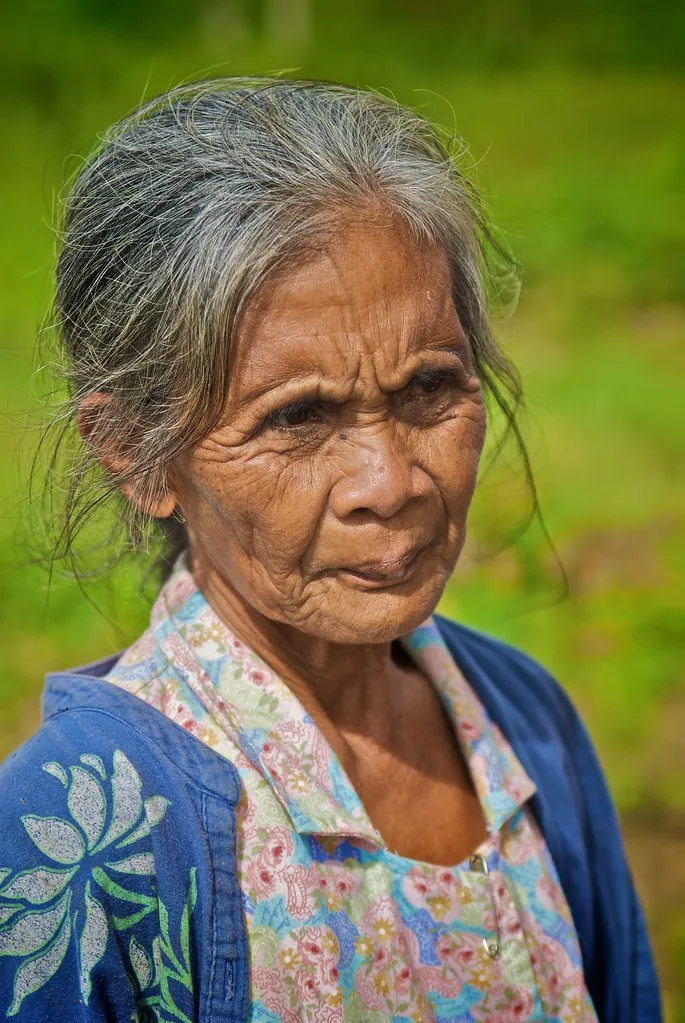
Photo: woman solo traveler watching wildlife on African safari, via c1.staticflickr.com
When Diane Kowalski, a 47-year-old marketing director from Denver, told her friends she was heading to Tanzania alone, the response was predictable. "Is that safe?" "Why don't you wait and go with someone?" "You're doing what?"
She went anyway. Fourteen days. Three parks. One life-changing encounter with a leopard at dusk in the Serengeti that she still talks about like it happened yesterday.
"I came back a different person," she says. "Not because of the animals — though, yes, obviously the animals — but because I made every single decision myself. Where to go, how long to stay, what to skip. Nobody else's comfort zone to manage. Just mine."
Diane isn't an outlier. She's part of a fast-growing wave of American women who are choosing African safari travel on their own terms, and the industry is paying attention.
The Numbers Are Hard to Ignore
Solo travel has been climbing steadily for years, and women are driving a significant share of that growth. According to data from the Adventure Travel Trade Association, solo female travelers now represent one of the fastest-growing segments in adventure tourism globally. Safari operators across East and Southern Africa — many of whom built their businesses around couples and family groups — are adapting, sometimes reluctantly, sometimes enthusiastically.
"Five years ago, maybe one in fifteen of our solo bookings was a woman traveling alone," says one operations manager at a mid-size Kenyan safari company who asked to remain anonymous. "Now it's closer to one in five. We had to rethink a lot of things — room configurations, guide training, how we communicate safety, how we talk about the experience itself."
That rethinking is showing up in tangible ways: female-focused itineraries, women-led guiding teams, accommodations designed with solo travelers in mind rather than as an afterthought.
The Women Changing the Safari from the Front Seat
One of the most striking shifts isn't happening among travelers — it's happening among guides.
For decades, safari guiding in Africa was an almost exclusively male profession. The physical demands, the remote locations, the cultural expectations in many communities made it a difficult career path for women to enter. That's changing, slowly but meaningfully.
Angela Mwangi has been guiding in Kenya's Masai Mara for six years. She's one of a small but growing cohort of certified female guides in East Africa, and she says the impact on solo female guests is immediate and visible.
"When women see me in the driver's seat, something shifts," she explains. "They relax in a way that's different. They ask more questions. They want to know everything — the science, the behavior, the conservation side. They're not just watching. They're engaging. It's my favorite thing about this work."
Organizations like the African Wildlife Foundation and several Kenya-based NGOs have been actively training and certifying women guides, recognizing that representation in guiding creates a fundamentally different experience for female travelers.
What Solo Women Travelers Actually Want
Here's where it gets interesting: the things solo female travelers say they want from a safari aren't dramatically different from what most thoughtful travelers want. They want authenticity. They want knowledgeable guides. They want accommodations that feel considered, not generic.
But a few specific things come up again and again.
Safety transparency without condescension. Women want clear, honest information about safety — not vague reassurances and not alarmist warnings. They want specifics: what does communication look like in remote areas, what are the protocols at camp after dark, who do you contact if something goes wrong?
Flexible itineraries. Group tours built around consensus can be frustrating for solo travelers who want to linger at a waterhole for two hours because the light is perfect. Many women are gravitating toward private guiding arrangements or small-group tours specifically designed for solo travelers, where the pace is negotiable.
Genuine connection, not forced socializing. Interestingly, many solo female safari travelers explicitly don't want the experience to feel like a group activity. They want space to process what they're seeing. A guide who understands that sitting in silence while a pride of lions moves through the grass is not an awkward moment — it's the whole point.
The Broader Cultural Shift
There's something bigger happening here, and it's worth naming directly.
African safari tourism has historically been marketed in ways that center couples, families, or the lone male adventurer archetype. The imagery in brochures, the language in itinerary descriptions, the assumptions built into lodge design — all of it reflects a particular idea of who safaris are for.
Solo female travelers are quietly dismantling that assumption, not through protest but through presence. They're booking the trips. They're showing up. They're leaving five-star reviews that say things like "I was nervous to go alone and I wish I'd done it ten years sooner."
Tour operators who are paying attention are redesigning accordingly. Some are launching women-only small-group departures. Others are partnering with female guides specifically for solo female guests who request them. A handful of lodges have started offering single-occupancy rates that don't carry the punishing single supplement that's long been a financial barrier for solo travelers of any gender.
"The industry is responsive to money," says one US-based travel advisor who specializes in African itineraries. "And solo female travelers are spending money. That's the simplest explanation for why things are changing."
The Part Nobody Talks About Enough
Beyond the logistics and the industry trends, there's something more personal that solo female safari travelers describe almost universally: the feeling of being genuinely, deeply alone with something wild.
For many American women, daily life involves constant negotiation — of schedules, of other people's needs, of expectations both spoken and implied. A safari strips that away. There are no emails in the middle of the Okavango. Nobody needs you to make a decision about dinner or school pickups or the quarterly report.
There is, however, a bull elephant forty meters away who has no opinion about your productivity.
Diane from Denver puts it this way: "Africa doesn't care who you are back home. That sounds harsh, but it's the most freeing thing I've ever experienced. You're just a human. Watching other animals be animals. That's it."
She's already planning her second trip. This time, she's going to Botswana.
Ready to plan your solo safari? Service Safari specializes in building itineraries around the individual traveler — your pace, your priorities, your adventure. Start the conversation with our planning team.