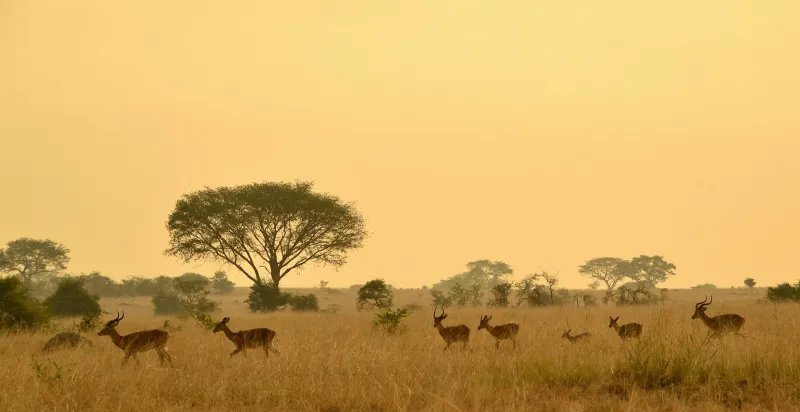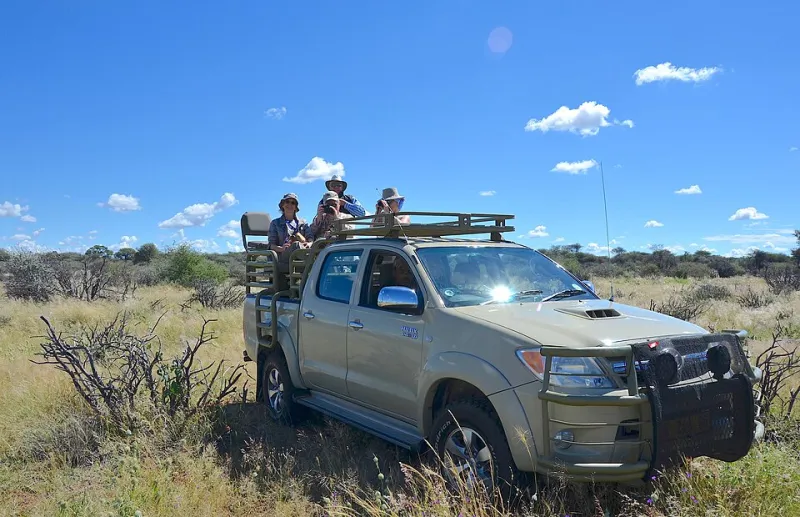
Why Coming Home from Safari Might Be the Hardest Part of the Trip
You're standing in the cereal aisle at Target, staring at forty-seven varieties of granola, and you feel — weirdly, inexplicably — like crying. Two weeks ago you were watching a lioness nurse her cubs at golden hour on the Serengeti. Now the fluorescent lighting is humming and someone's cart is blocking the whole aisle and your phone is buzzing with Slack notifications you forgot to turn off.
Welcome to post-safari re-entry. It's real, it's surprisingly common, and nobody warned you about it.
The Phenomenon Nobody Puts in the Brochure
Reverse culture shock is a well-documented psychological response that happens when you return home after a profoundly different experience abroad. Travelers coming back from immersive trips — particularly ones involving remote landscapes, slow rhythms, and deep disconnection from technology — often describe a disorienting flatness to everyday life that can last days, weeks, or even longer.
Safari has a particular way of amplifying this effect. The bush operates on its own time. Meals happen when the light is right. Conversations go deep because there's nowhere else to be. Your nervous system, which spent years calibrating to traffic, deadlines, and the endless scroll, gets a chance to fully reset. And then you fly home and plug it all back in.
The contrast isn't just jarring. For a lot of people, it's genuinely grief-like.
Why Africa Hits Different
It's not just that the trip was beautiful — although it probably was. What makes safari re-entry uniquely tough is that Africa tends to shift your sense of scale. When you've watched a herd of elephants move silently through the mist at dawn, or sat around a fire while a guide explained the stars by name, the ordinary pressures of American life can start to feel not just stressful but almost absurd.
Your commute. The group chat drama. The meeting that could have been an email. None of it disappeared while you were gone, but your tolerance for it has changed. That's not a bad thing — it's actually a sign the trip did something meaningful. But it does make the landing rougher.
There's also a social dimension. You come home buzzing with stories and images that are hard to translate. Your coworkers nod politely. Your family asks if you got good photos. Nobody quite gets why you're still thinking about the leopard you spotted at dusk, or why you keep going quiet at dinner. The isolation of that — having had a transformative experience that doesn't fit neatly into small talk — can deepen the disconnection.
Practical Ways to Stick the Landing
The goal isn't to stay permanently in that safari headspace — that's not realistic, and honestly, you'd never get anything done. The goal is to metabolize what you experienced so it actually changes you, rather than just fading into a screensaver.
Give yourself a buffer day. If you can swing it, don't schedule your return flight to land the night before a packed Monday. Build in at least one day of genuine transition — no big obligations, no catching up on everything at once. Let yourself exist somewhere between bush life and real life before the full weight of routine comes back.
Write it down before it blurs. The details fade faster than you'd expect. The way the air smelled before a storm. The guide's name and the story he told about his grandfather. Spend an hour or two journaling while the memories are still sharp. Not for Instagram — for yourself. You'll be glad you did six months from now.
Find one thing to bring back into your daily life. Safari has a way of simplifying things — early mornings, real meals, time outside, actual conversations. Pick one of those threads and weave it into your regular routine. Maybe it's waking up before the chaos to drink your coffee quietly. Maybe it's putting your phone in another room during dinner. Small anchors matter.
Connect with someone who was there. If you traveled with a group or went on a guided tour, staying in touch with fellow travelers is one of the most underrated tools for processing the experience. They understand the reference points. They felt it too. A simple check-in message — hey, I keep thinking about that morning at the watering hole — can do more for your re-entry than a week of journaling.
Let yourself feel the loss without dramatizing it. Missing the bush doesn't mean your regular life is broken. It means you had an experience worth missing. Sit with that for a minute instead of immediately rushing to fix or distract. There's something healthy about honoring what mattered.
Turning the Ache into Something Useful
Here's the reframe that tends to help most: post-safari melancholy isn't a sign that you need to escape your life. It's a sign that your life has more room in it than you were using.
The things that struck you most on safari — the presence, the quiet, the sense that time was actually yours — those aren't exclusive to the African bush. They're available to you, in smaller doses, at home. The trip just reminded you they exist.
Some people come back from safari and start making real changes: a long-postponed career conversation, a commitment to spending more weekends outdoors, a decision to stop filling every hour with noise. Others just carry a slightly different quality of attention into their days. Either way, that's the trip working.
When to Start Planning the Next One
We'd be lying if we said the best cure for post-safari blues wasn't just booking another safari. There's something grounding about having a future trip on the horizon — a reason to keep reading, keep learning, keep saving. Even if it's a year or two away, that forward-looking energy helps.
And the second trip is different from the first. You go back knowing what to expect, which means you can go deeper — different regions, different seasons, different guides. Africa doesn't run out of things to show you.
So yes, come home. Unpack the boots. Deal with the inbox. But don't let the experience evaporate into a photo album and a few good dinner party stories. The bush gave you something. Figure out what it was, and then figure out how to keep it.